 Q2
Q2
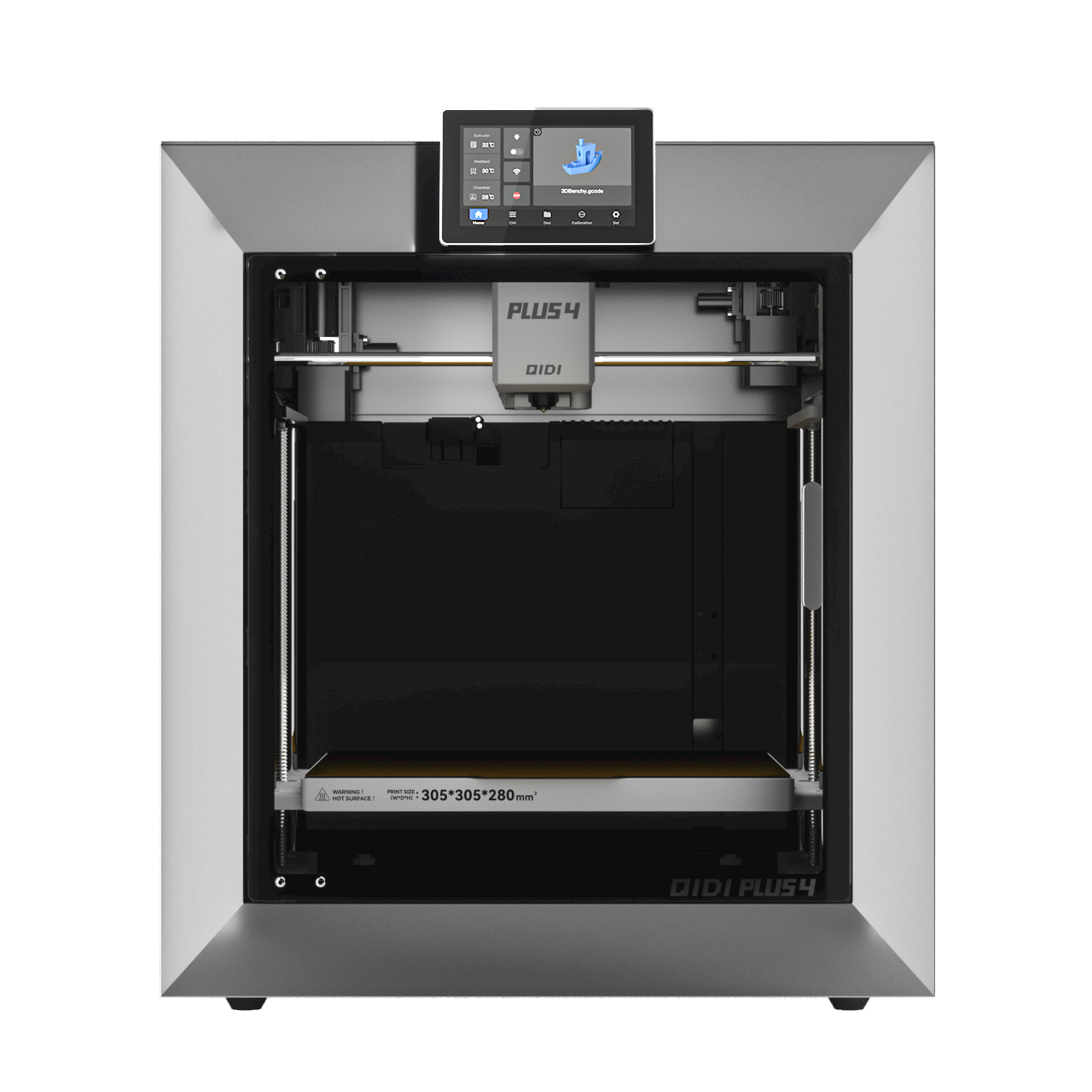 Plus 4
 QIDI Box
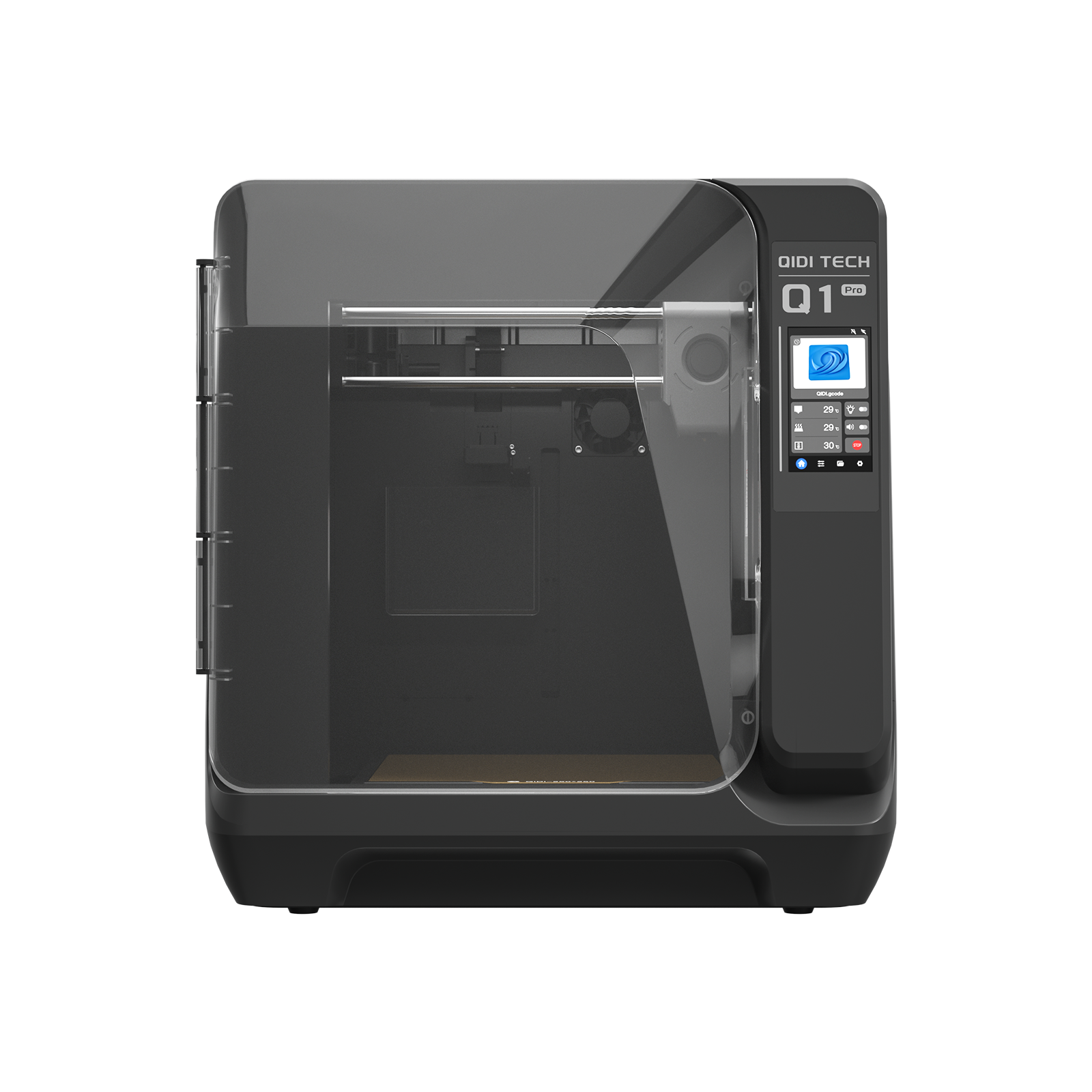 Q1 Pro
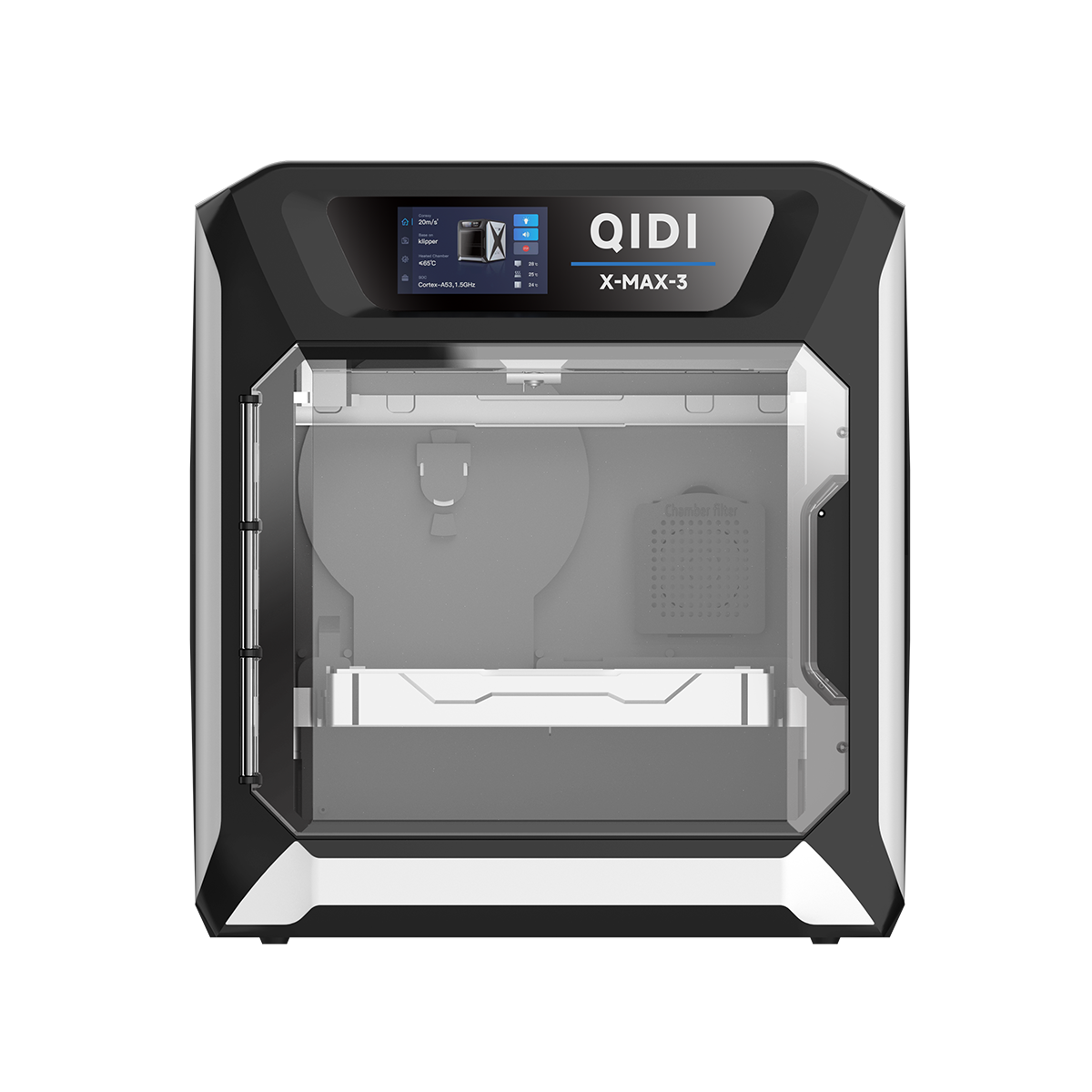 X-Max 3




Engineered with 15% Chopped Glass Fiber for High Toughness and 67D Shore Hardness.


Engineered with 15% chopped glass fiber , this material delivers a professional 67 Shore D hardness , combining rigid support with exceptional toughness and interlayer strength. It is a reliable semi-rigid solution that ensures parts stay stable under load, featuring a premium matte surface texture that hides layer lines for a professional industrial look.


TPU-GF offers extraordinary impact toughness, rated as "Non-break" in Charpy impact strength tests. It is specifically designed to absorb heavy shocks and resist mechanical failure in demanding environments.


With a Vicat softening temperature of 157.3℃, this filament maintains its mechanical properties and dimensional stability even at elevated temperatures. Beyond heat, it offers superior chemical resistance, standing up to oils, greases, fuels, and various industrial solvents.


Engineered for zero warping and excellent bed adhesion, this material is also designed for effortless part removal compared to standard TPU. Its optimized flow properties further virtually eliminate stringing

TPU-GF Printing Result

Ordinary TPU Printing Result
TPU-GF Printing Result
Ordinary TPU Printing Result
This material boasts incredible interlayer bonding, with a Z-direction tear strength reaching up to 63.21 KN/m. It ensures that complex, functional parts remain durable and resistant to splitting under tension.


Combining high wear resistance with rigid-yet-tough characteristics,TPU-GF can partially replace ABS in the production of high-impact components. It delivers the durability of an engineering plastic with the added benefit of vibration damping.


Extruder: Use a Direct Drive extruder (e.g., BMG, Titan, or Hemera) for optimal high-speed performance.
Temperature: Slightly increase nozzle temperature when printing at higher speeds.
TPU is highly hygroscopic. Moisture absorption leads to oozing, bubbles, and rough surfaces.
During Printing: Use a dry box with humidity below 15% immediately after opening the vacuum bag.
Storage: Reseal unused filament in the original aluminum foil bag.
If the material becomes damp (noted by stringing or poor finish), restore quality by drying:
Temperature: 70–80°C
Duration: 4–6 hours
📚For more details please refer to: Engineering Filament Guide on WIKI.
According to the test, the water vapor transmission rate of ordinary sealed packaging is 4.76%, while the water vapor transmission rate of vacuum aluminum foil packaging we use is only 0.014%. It can be seen that vacuum aluminum foil packaging is more water-resistant.


QIDI TECH TPU-GF Filament 1.75mm Works perfectly with most FDM 3D printers on the market.


