

 Q2
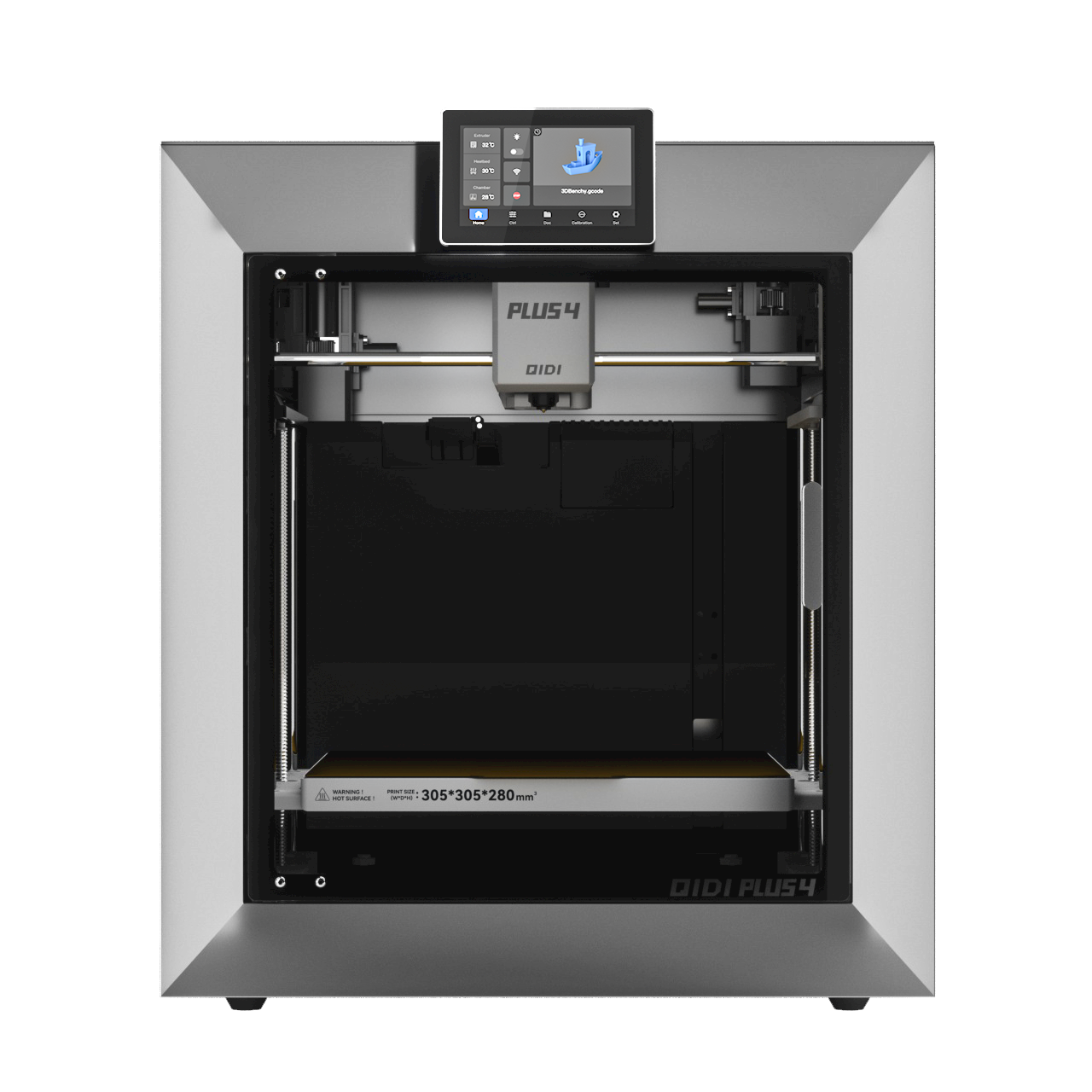 Plus 4
 QIDI Box
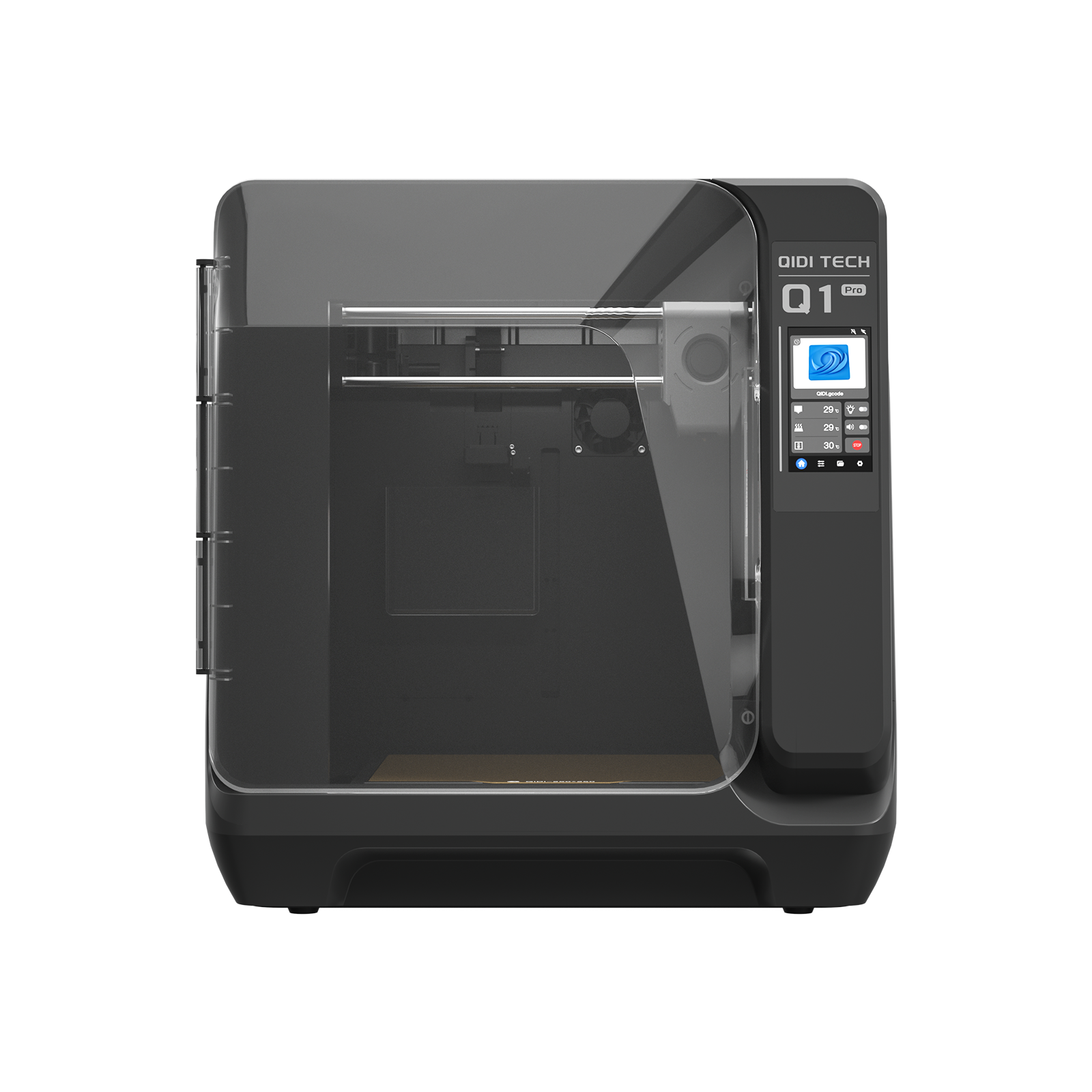 Q1 Pro
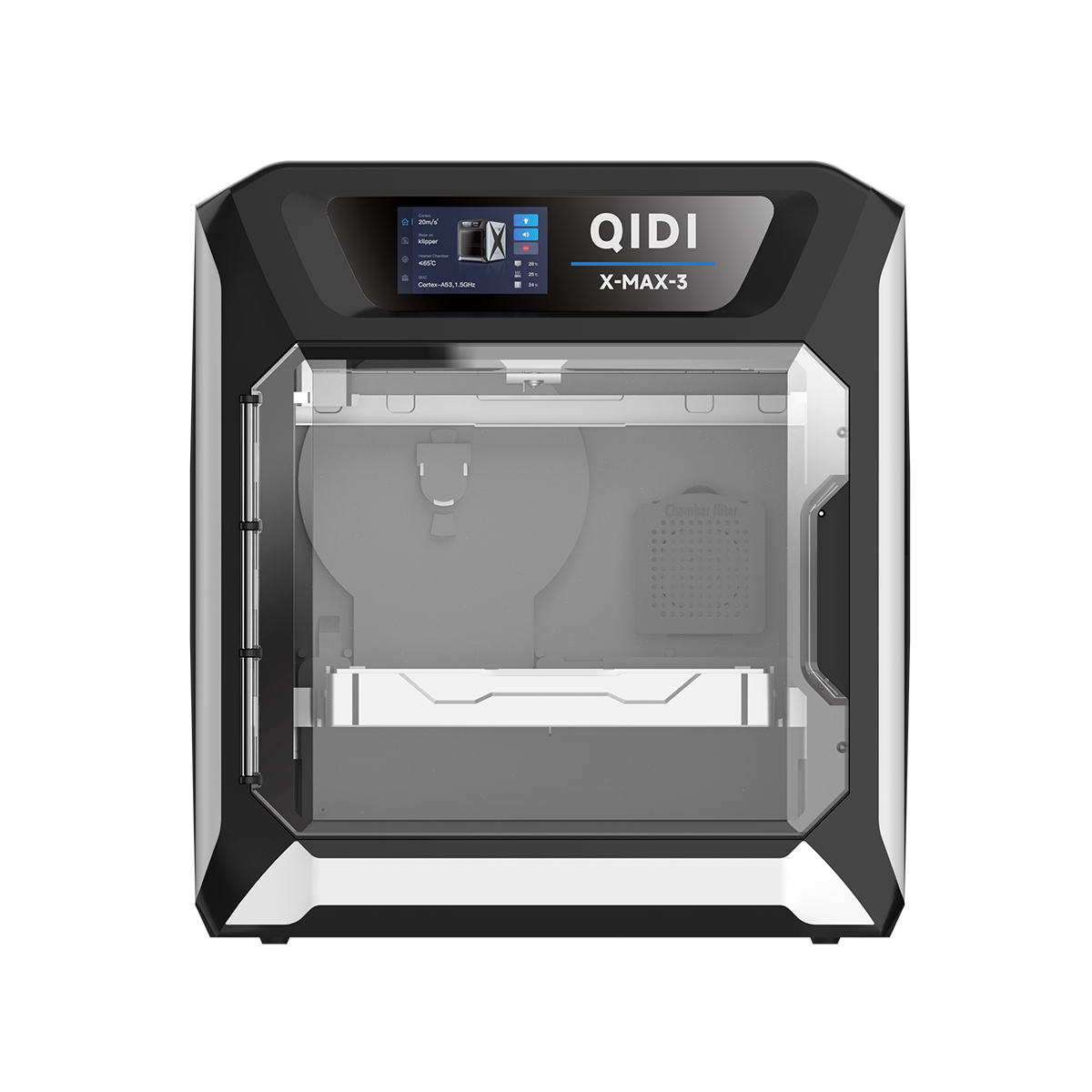 X-Max 3


Some filters could not be applied and were reset.
-
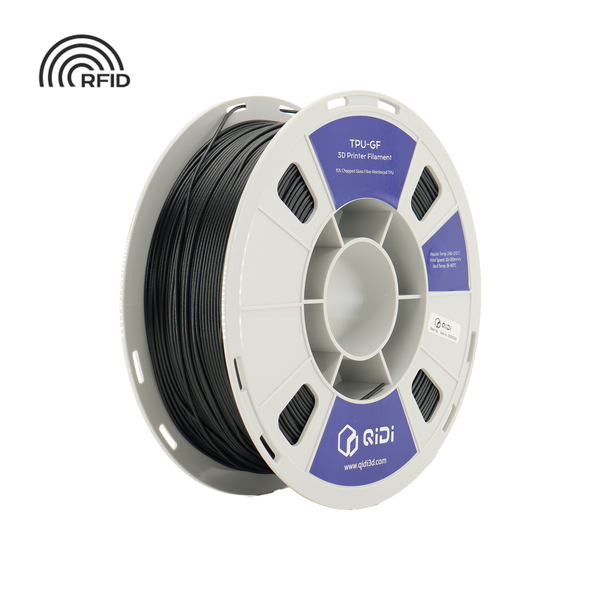 TPU-GF $39.99 Add to cart
-
 ASA-CF20 Core $45.99 Add to cart
-
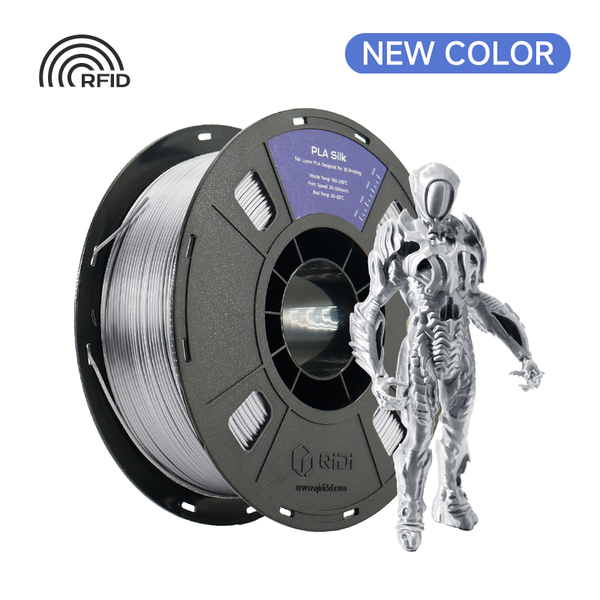 Sale PLA Silk Filament $19.99
Regular price $27.99Add to cart -
 Sold out PEBA 95A $49.99
-
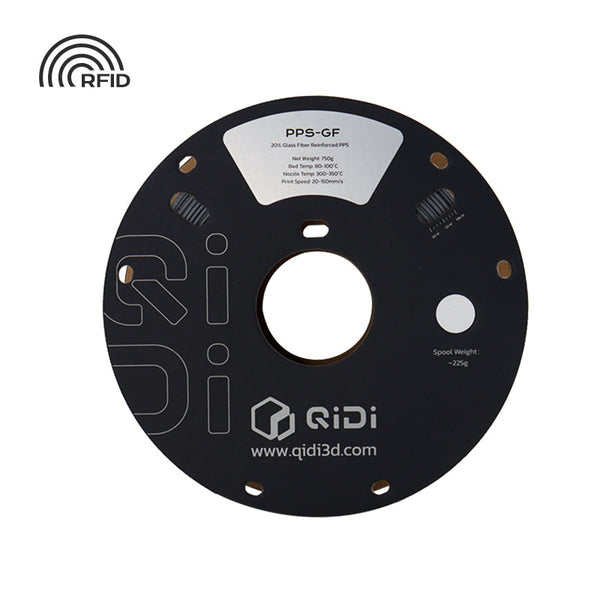 PPS-GF20 $59.99 Add to cart
-
 PETG Rapido $17.99 Add to cart
-
 PETG-CF $28.99 Add to cart
-
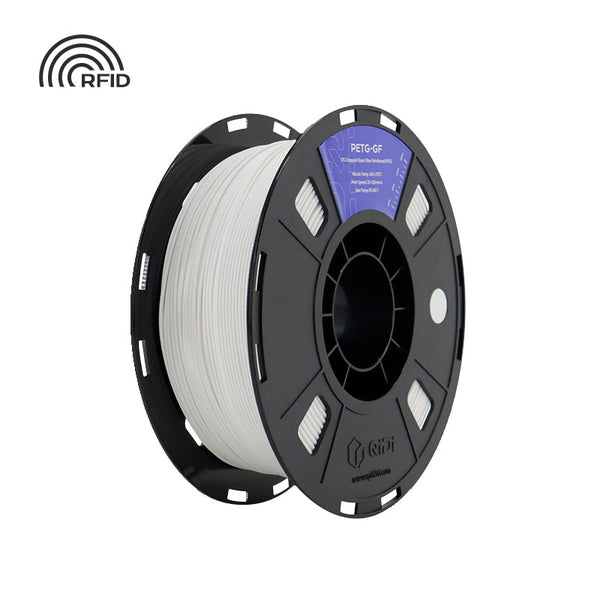 Sale PETG-GF $23.99
Regular price $26.99Add to cart -
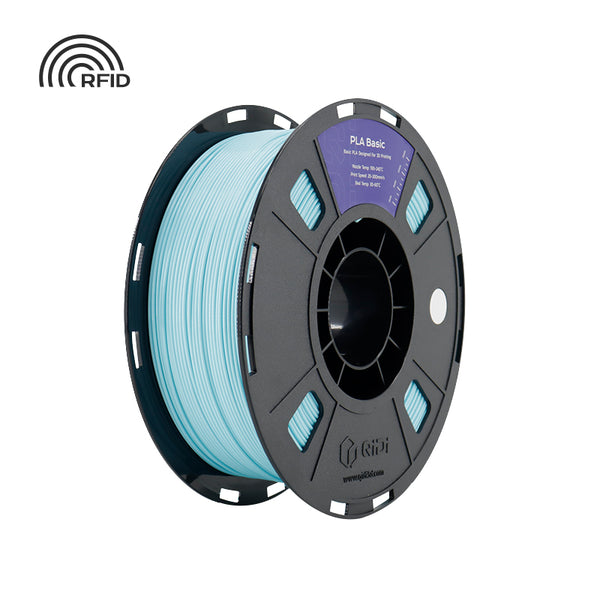 PLA Basic $16.99 Add to cart
-
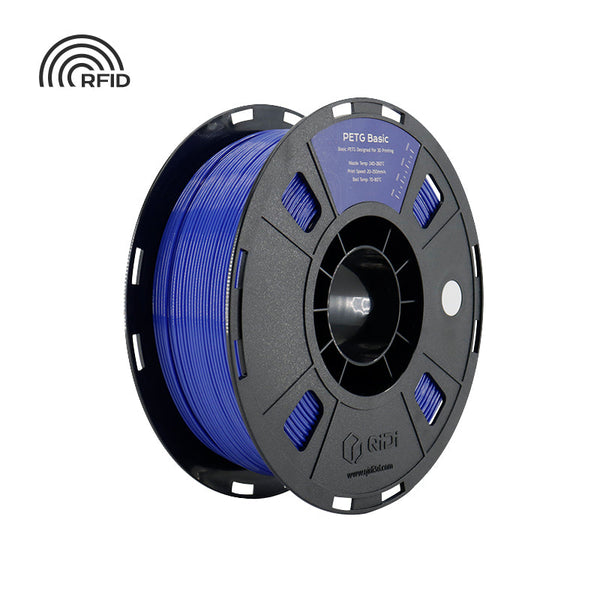 PETG Basic $16.99 Add to cart
-
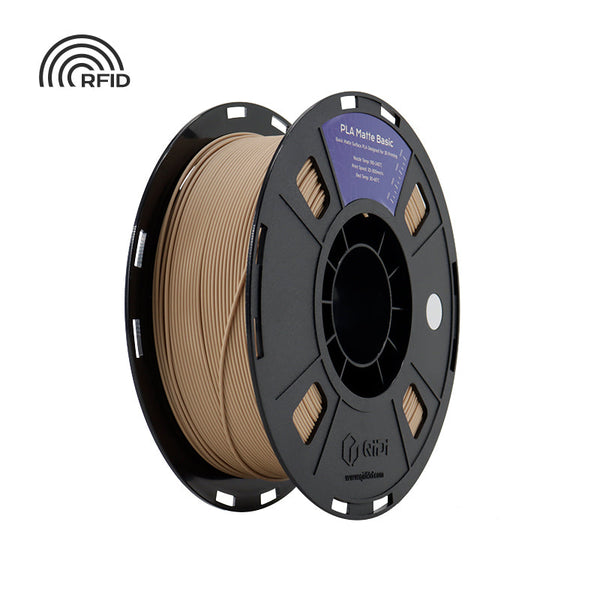 PLA Matte Basic $16.99 Add to cart
-
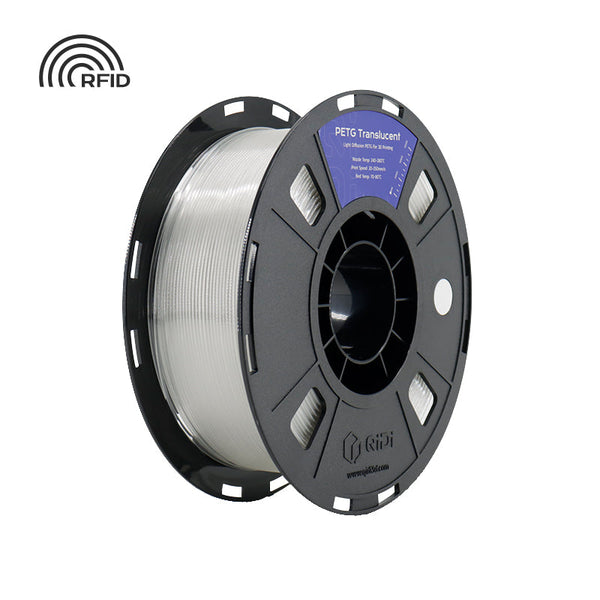 PETG Translucent $16.99 Add to cart
-
 PLA Matte Rapido Filament $17.99 Add to cart
-
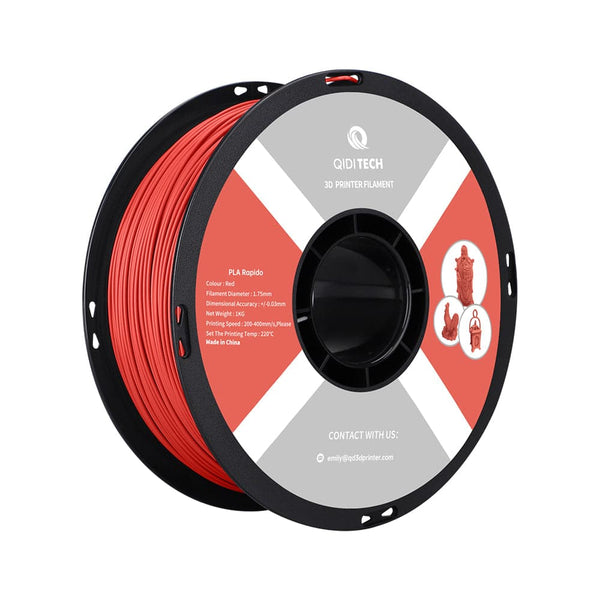 PLA Rapido Filament $17.99 Add to cart
-
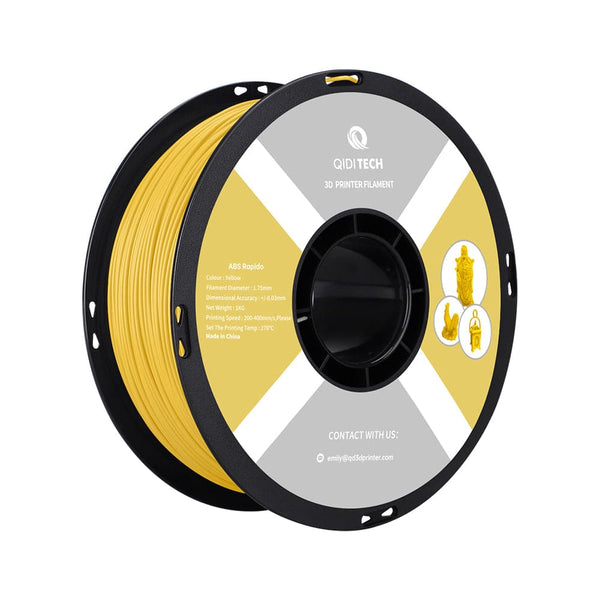 ABS Rapido Filament $17.99 Add to cart
-
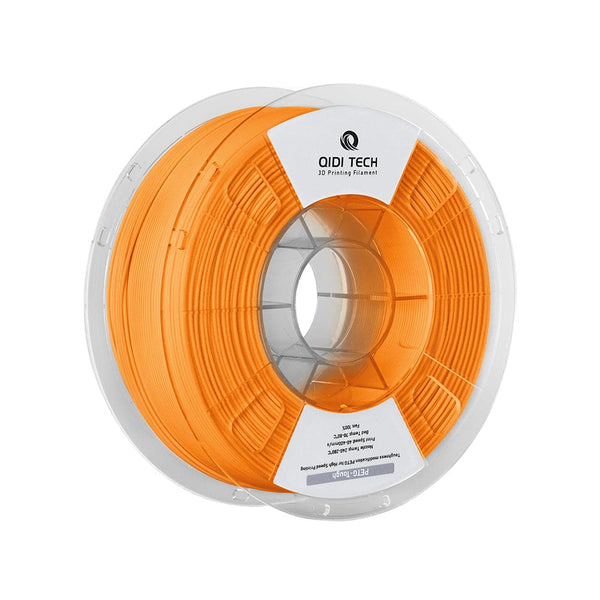 Sale PETG-Tough Filament $24.99
Regular price $29.99Add to cart -
 Sale UltraPA-CF25(PPA-CF25) Filament $99.99
Regular price $129.99Add to cart -
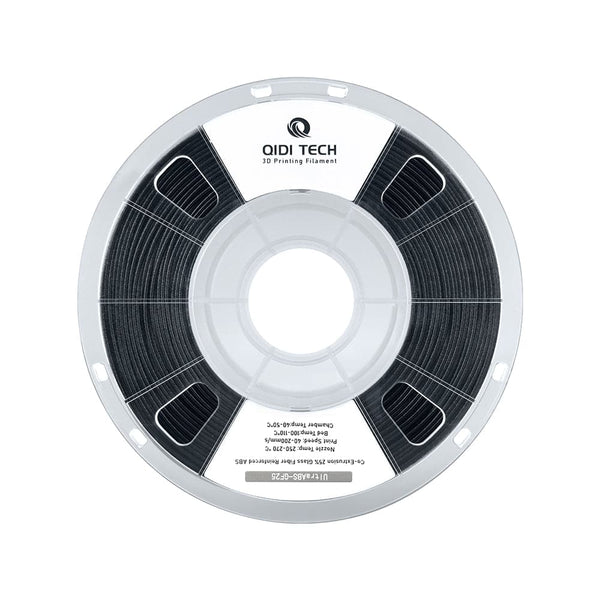 Sale ABS-GF25 Filament $15.99
Regular price $23.99Add to cart -
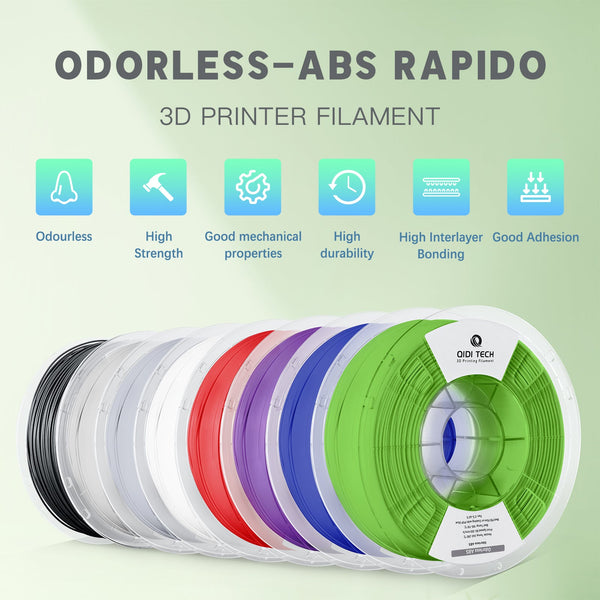 Sale Odorless-ABS Rapido Filament $21.99
Regular price $29.99Add to cart -
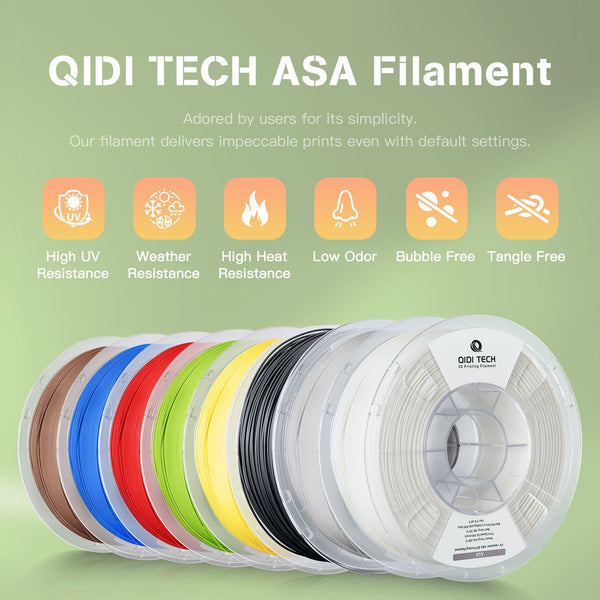 ASA Filament $29.99 Add to cart
-
 PA12-CF Filament $99.99 Add to cart
-
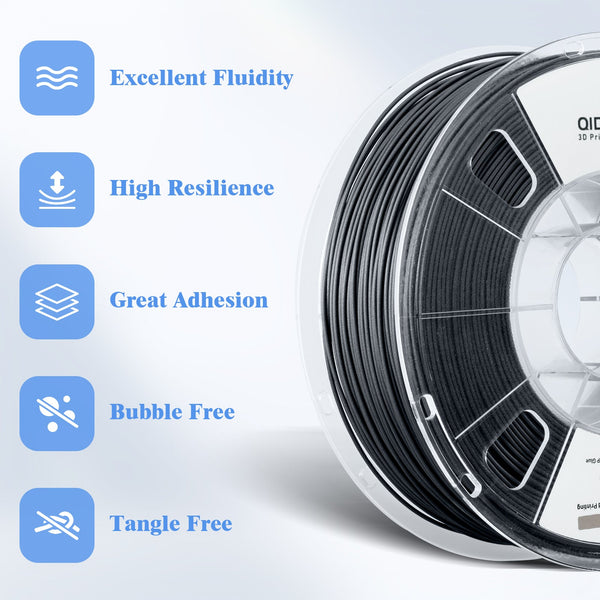 Sale TPU95A-HF Filament $35.99
Regular price $41.99Add to cart -
 Sale PET-GF Filament $39.99
Regular price $59.99Add to cart -
 Sale PAHT-GF (PPA-GF) Filament $62.99
Regular price $99.99Add to cart


3D printer buying guide
Find the perfect 3D
printer for your projects.
Start your creative adventure today!
FAQs
Find answers to your most pressing questions about our 3D printing machines and services.
An FDM 3D printer, also known as Fused Deposition Modeling printers, is a printer that creates objects through layer-by-layer deposition of molten plastic filament. The plastic filament is heated until it becomes molten and extruded through a nozzle to form the shape of interest. One reason FDM printers are popular is that they are inexpensive and very easy to use, so they are widely used by both beginners and professional users.
FDM 3D printers have several advantages. The first one is that they are usually more cost-effective than other types of 3D printing technologies. This economy makes them accessible to a wide market, such as hobbyists, educators, and professionals. Second, FDM printers are user-friendly and accommodate a wide range of materials, from tough to engineering-grade thermoplastics, such as ABS and PLA. These printers are versatile, which enables one to use them in a wide range of applications, from prototyping to designing functional parts. The parts produced are strong, and they can withstand mechanical use. Running costs are also low, as it does not require any type of hazardous chemicals, making it safe and easy to run.
The FDM 3D printing process involves designing a 3D model using CAD software. After your design is ready, slicing software is used to convert the model into various layers. The printer then heats the plastic filament and extrudes it through a nozzle, laying down each layer according to the sliced model. As the layer is laid down, it cools and solidifies, building up the final object. This layer-by-layer mechanism provides control over the final object's shape and structure.
SLA and FDM are two different 3D printing technologies. The main difference is the material and the process. FDM printers use thermoplastic filaments, which are melted and extruded to lay down layers. SLA printers use liquid resin that is cured by a laser to cure each layer. SLA is usually at a better resolution, and the surfaces are smoother, so it's very fit for the designs with much detail and very intricate. FDM is more suitable for functional prototypes and bigger parts because it's stronger and cheaper. Generally, FDM is also cheaper compared to SLA printers and their materials.
Print resolution, layer height, extruder and platform temperature, print speed, filament quality, nozzle size, and proper slicer settings all impact the final print quality. Dual extrusion, an enclosed build chamber, and auto-calibration features also help improve consistency, precision, and reliability.

